
Full Plant Based Tone resource
Understanding Stress: Why It’s Harmful and How to Relieve It Naturally
In today’s fast-paced world, stress has become a common part of our lives. Whether it’s work deadlines, financial pressures, or personal challenges, stress can creep into our lives and take a toll on our well-being. While a little stress can sometimes motivate us, chronic stress is a different story—it can be harmful, both physically and mentally.
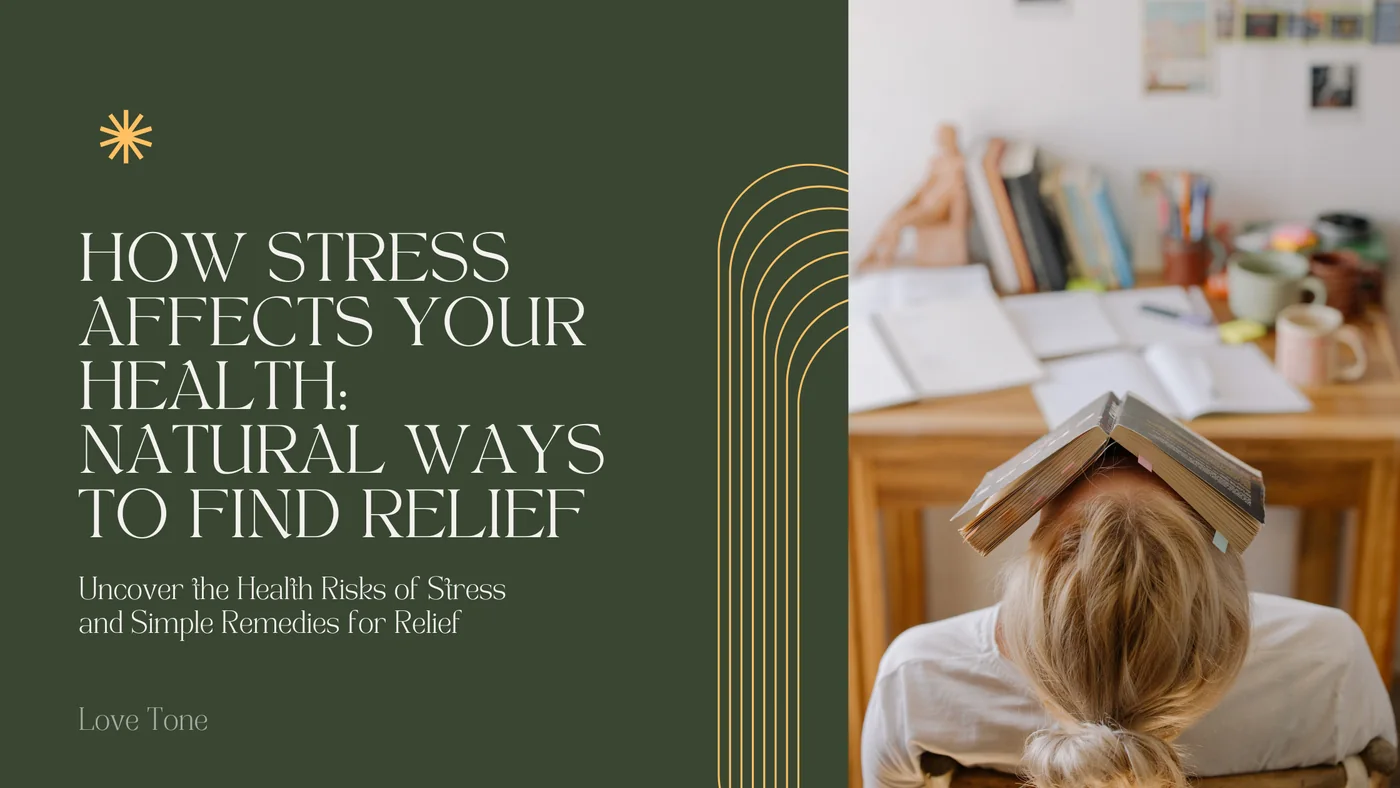
Can Stress Make You Sick?
Stress is more than just an emotional response; it has profound effects on our physical health, particularly on our immune system. When we experience stress, our body reacts by releasing hormones like cortisol and adrenaline. These hormones are part of the “fight-or-flight” response, designed to help us deal with immediate threats. However, when stress becomes chronic, these hormones remain elevated in our system for extended periods, leading to negative health effects.
One of the most significant impacts of prolonged stress is its ability to weaken our immune system. High cortisol levels, for example, can suppress the immune system by reducing the production of white blood cells, which are crucial for fighting off infections. This suppression leaves our body more vulnerable to illnesses like colds, flu, and other infections. Moreover, stress can also cause inflammation in the body, which, when chronic, can contribute to the development of autoimmune diseases and other health issues.
In addition to weakening our immune system, stress can exacerbate existing health conditions. If you already have a chronic illness, such as asthma or diabetes, stress can worsen your symptoms, making it more challenging to manage your condition. The combination of a weakened immune system and increased vulnerability to illness makes managing stress essential for maintaining overall health and well-being.
How Stress Affects Your Health
Stress doesn’t just take a toll on our emotions; it can also have wide-ranging effects on our physical and mental health. When we’re stressed, our body responds by releasing stress hormones like cortisol and adrenaline. These hormones are beneficial in short bursts, helping you respond to immediate challenges. However, when stress becomes a constant part of your life, it can lead to a cascade of health problems that affect nearly every part of your body.
Physical Symptoms of Stress
One of the first ways stress manifests physically is through common symptoms like headaches, muscle tension, and digestive issues. Stress can cause the muscles to tense up, leading to chronic pain, especially in the neck, shoulders, and back. It can also trigger tension headaches and migraines, making it difficult to focus or relax.
In the digestive system, stress can cause a variety of issues, including indigestion, bloating, and even irritable bowel syndrome (IBS). The “butterflies” you feel in your stomach during stressful situations are just the beginning. Chronic stress can disrupt the balance of gut bacteria, leading to digestive discomfort and long-term gastrointestinal problems.
Long-Term Health Risks
Over time, the effects of chronic stress can contribute to more serious health conditions. For instance, prolonged exposure to stress hormones can lead to heart disease by increasing blood pressure and causing inflammation in the arteries. Hypertension, or high blood pressure, is a common outcome of chronic stress and is a major risk factor for stroke and heart attack.
Stress is also closely linked to the development of type 2 diabetes. When we’re stressed, our body releases glucose into our bloodstream to provide energy for the “fight-or-flight” response. If this happens frequently, it can lead to higher blood sugar levels, increasing the risk of developing diabetes.
Mental Health Impacts
The mental health effects of stress are just as significant as the physical ones. Chronic stress can lead to anxiety, depression, and difficulty concentrating. When our mind is constantly racing with worries, it becomes challenging to focus on tasks, leading to decreased productivity and frustration.
Stress can also severely disrupt our sleep patterns, causing insomnia or poor-quality sleep. Without adequate rest, our body and mind can’t recover properly, leading to fatigue and a weakened ability to cope with daily challenges. Over time, the lack of sleep and constant mental strain can create a vicious cycle, exacerbating both physical and mental health issues.
The Cumulative Effect
The cumulative effect of these stress-induced changes can significantly impact our overall quality of life. When our body is constantly in a state of heightened alert, it wears down our immune system, making us more susceptible to illnesses. Additionally, the strain on our heart, digestive system, and mental well-being can lead to chronic conditions that are difficult to manage.
Addressing stress is crucial to preventing these severe health issues from taking root. By recognizing the signs of stress and taking steps to manage it—through natural remedies, lifestyle changes, and seeking support—you can protect your health and improve your overall quality of life.
Natural Ways to Relieve Stress
Thankfully, there are natural ways to manage and reduce stress, helping us to maintain balance and well-being:
1. Mindful Breathing: Taking a few minutes to focus on your breath can calm your mind and reduce stress. Deep, slow breaths send a signal to your nervous system to relax, lowering your heart rate and easing tension.
2. Exercise: Physical activity is a powerful stress reliever. Whether it’s a brisk walk, yoga, or a full workout, exercise releases endorphins—natural mood lifters that can help reduce stress.
3. Nature Walks: Spending time in nature has been shown to lower stress levels. The sights, sounds, and smells of the natural world can have a calming effect, helping to clear your mind and improve your mood. Forest = For Rest
4. Healthy Diet: What you eat can impact how you feel. A balanced diet rich in fruits, vegetables, whole grains, and lean proteins can provide the nutrients your body needs to handle stress more effectively. Eating more plant-based foods has been proven to improve moods and decrease inflammation. To learn more about how a plant-based diet can benefit your health, click here.
5. Meditation: Practicing meditation regularly can help you develop a greater sense of inner peace. It teaches you to focus on the present moment, letting go of worries about the past or future. There is no right or wrong way to meditate. If you are new to meditation, I recommend starting with guided meditations from YouTube like this one here.
6. Adequate Sleep: Quality sleep is essential for stress management. Ensure you’re getting enough rest each night, and try to maintain a consistent sleep schedule to help your body reset and recharge. Going to bed at 10pm and waking up at 6am is still 8 hours. Adjust the timing to your schedule. Although 9pm-5am or 10pm-6am still gives me the feeling of being up late while still getting a head start on the day!
7. Social Connections: Spending time with friends and loved ones can offer emotional support and reduce feelings of stress. Sharing your thoughts and feelings with someone you trust can lighten the emotional load. This is also something that is essential for everyone to do. F*ck the old stigma of “you’re too sensitive” if you’re a girl or “it’s not manly to talk about feelings” if you’re a guy! Communication is a part of being human and bottling up emotions will only cause an eruption that will do more harm to everyone. As family and community, we need to be there for each other. Mental health matters for men and women.
8. Essential Oils and Aromatherapy: Aromatherapy, the use of essential oils for therapeutic purposes, is an effective way to relieve stress. Scents like lavender, chamomile, and bergamot are known for their calming properties. You can use essential oils in a diffuser, add them to a warm bath, or apply them to your skin (diluted with a carrier oil) to create a soothing atmosphere. The gentle, pleasing aromas can help you relax, reduce anxiety, and improve your overall sense of well-being. Here are some of my favorite stress relieving essential oils.
9. Simply Slowing Down: A great way to regulate your nervous system without any fancy tools or products is simply slowing down. What that looks like is literally catching yourself rushing and moving fast paced and them simply slowing down the task. Now this doesn’t mean don’t work diligently, it just means you don’t need to be going 3x speed to get it done efficiently. Anxiety loves the illusion that everything is urgent. Next time you’re felling anxious and realize you’re walking fast, multitasking, typing fast, and most commonly eating fast; notice it, take a moment, and slow down. So simple yet difficult that it might just work. lol This will immediately begin to regulate your nervous system.
Limiting Stress for a Healthier Life
While it’s impossible to eliminate stress entirely, there are proactive steps you can take to limit its impact on your life. Prioritizing self-care, setting healthy boundaries, and managing our time effectively can all help reduce stress. Learning to say “no” when necessary and delegating tasks can also help lighten our load. Additionally, adopting a positive mindset and practicing gratitude can shift our focus from stressors to the positive aspects of our life. By making small, intentional changes, you can create a more balanced, fulfilling life with less stress and more joy.